Automated gate safety isn’t just about following legislative red tape. These guidelines can be a matter of life and death, and of protection from litigation.
Gate regulations date back to the 1980s, when national safety groups noted thousands of gate-related injuries—and sadly some fatalities—particularly among children. As a result, a safety standard originally created for door operators (UL 325) was revised to include automated gates since they pose similar risks for entrapment.
By 2001, the U.S. Consumer Product Safety Commission (CPSC) reported automated gates were still the cause of over 2,000 emergency room injuries each year. They also knew of 32 deaths related to automated gates at that time.
Again, regulations were heightened with more robust UL 325 standards around entrapment prevention and additional guidance around the physical construction of gates through ASTM F2200.
By CPSC’s next report in 2018, the number of automated gate-related ER visits reduced to 300 per year, along with four known fatalities since the previous report.
Integrous’s Commitment to Gate Safety
While any harm caused by an automated gate is tragic, these sobering statistics underscore why it’s important to respect safety standards when planning an automated gate project at your residential or commercial property.
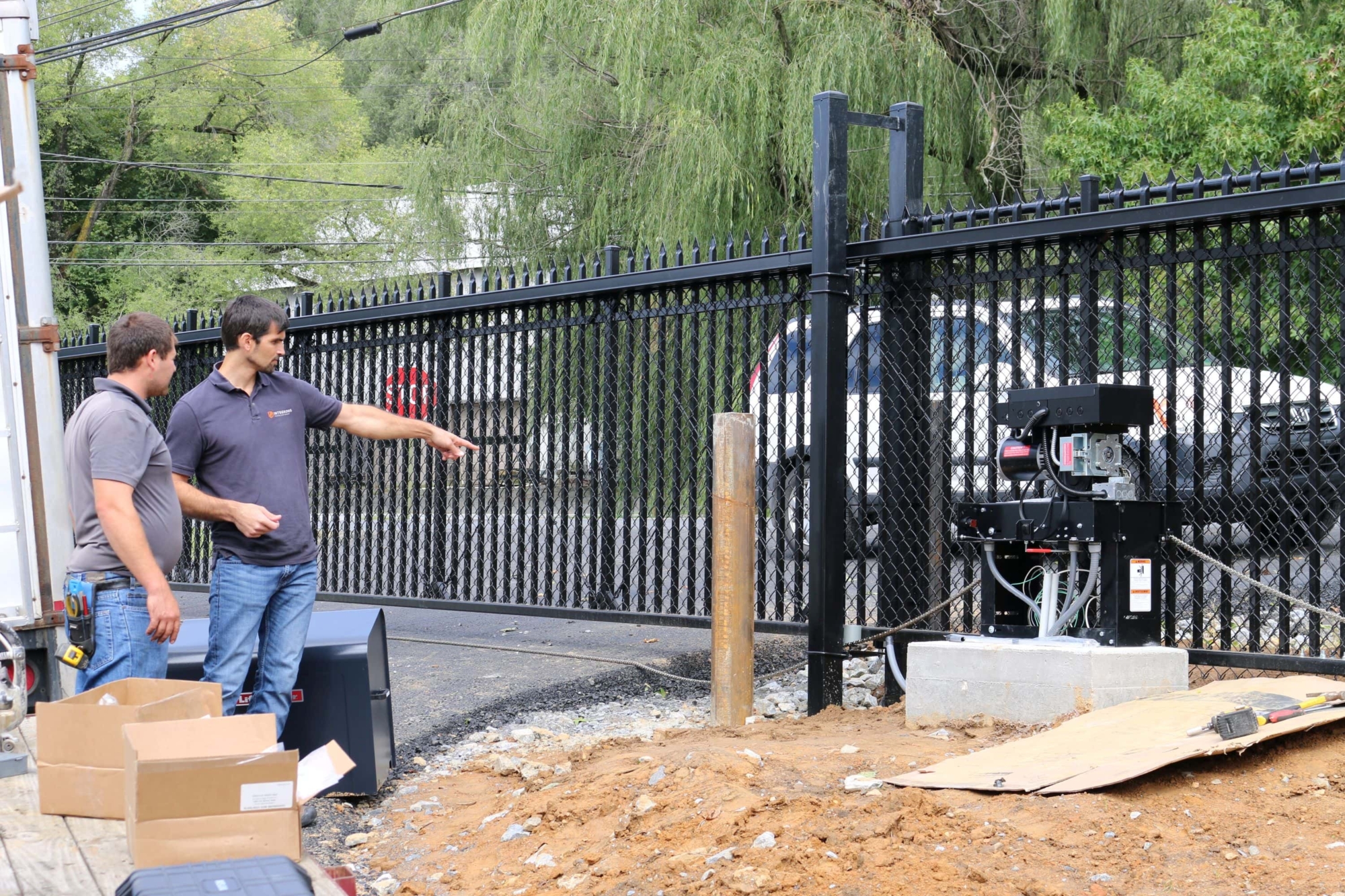
When planning a project with Integrous Fences and Decks, you’ll work with our team members who are Certified Automated Gate Systems Designers (CAGSD) and Certified Automated Gate Operator Installers (CAGOI). They can guide you through these national regulations, give you peace of mind, and help protect you and your property from litigation.
For example, your gate will need multiple forms of entrapment zone protection. Vehicle loops are highly recommended for mitigating the risk of your gate striking a vehicle. You may also need to install a pedestrian gate to prevent people from walking through the vehicle entrance.
While you may not have anticipated these additional features, each one is designed for your protection from both physical harm and from legal action in the unfortunate event than an injury occurs.
How Safety Compliance Protects You From Litigation
If your gate is installed in accordance with UL 325 and ASTM F2200 standards, you will have proof that safety measures were followed if legal action is ever threatened against you. While compliance isn’t a surefire legal shield, it can provide important evidence against negligence.
Regular maintenance of your gate and its operating system is also essential to ensure all the safety features function as intended and prevent harm to you, your loved ones, or your employees.
Because ultimately, the goal of safety compliance is not only about legal protection. The greater goal is to reduce the likelihood of accidents from day one.
Would you like assistance with routine maintenance on your automated gate? Integrous offers property-specific maintenance plans if you’d like assistance taking care of your gate, which you can discuss with your Sales Representative.